Polyaspartic Floor Coating for Garages and Concrete
Request an estimate for your floor
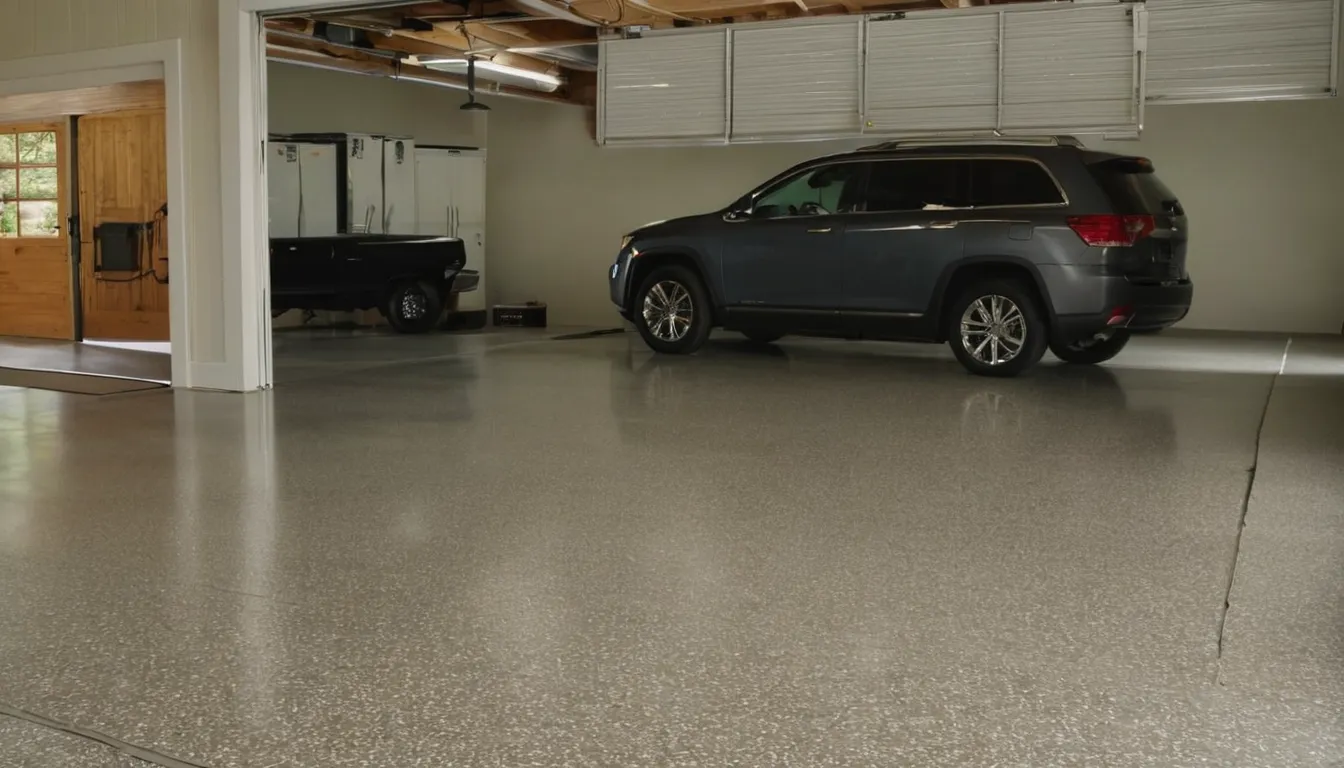
Polyaspartic is a coating made from a tough, flexible resin. It goes over prepared concrete in a thin, hard layer. It cures quickly, resists UV light, and handles temperature swings better than many coatings.
Blockedtons Floor Coating is a referral service. We do not install floors. We connect homeowners in The Village of Indian Hill and the The Village of Indian Hill area with independent providers in our network who prep, coat and cure concrete. Cure time counts, and so does the season. This page explains how the coating works, when to schedule, and how to get estimates you can compare.
Need Your Garage Back Soon?
Polyaspartic cures faster than most floor coatings. Many providers can finish a garage in one to two days, depending on the system and the weather. Ask each provider for a written schedule, including when you can walk and drive on the floor.
What Polyaspartic Is
Polyaspartic is a type of polyurea resin. It is applied as a liquid and hardens into a clear or pigmented layer. It is often used as a topcoat over epoxy or color flakes. It can also serve as the full coating system.
How It Differs From Epoxy
Epoxy is thick and strong. It bonds well and fills small flaws. It can yellow in sunlight and cures more slowly.
Polyaspartic is thinner and cures fast. It holds its color in UV light. It can be applied in cooler weather than many epoxies. Each has a place, and a provider can explain which fits your slab.
Full Polyaspartic or a Hybrid System?
A full system uses polyaspartic for the base, color and topcoat. A hybrid uses epoxy as the base and polyaspartic as the clear topcoat. Hybrids are common because they pair epoxy's fill and bond with polyaspartic's UV and scratch resistance.
Get both options quoted. Compare the number of coats, the film thickness and the products named.
Seasons and Local Weather
Timing matters. Cold winters with deep frost leave slabs cold and damp. Hot, humid summers can shorten working time and trap moisture. Spring flooding can raise slab moisture for weeks.
Polyaspartic tolerates a wider temperature range than many coatings. Still, the slab must be dry and within the product's limits. Fall and mid-spring often give steady conditions. Ask each provider what temperature and humidity range they work in.
Slab Moisture Comes First
Many homes here have full basements with sump pumps. Moisture can move up through concrete and push a coating off the surface. A provider may run a simple moisture test before quoting. Ask to see the result.
If the slab reads high, expect a moisture barrier or a delay. Skipping this step is a common reason coatings fail.
The Installation Process
The steps are short and in a set order:
- Prep: Grinding opens the concrete so the coating can grip. Cracks and chips are filled.
- Base coat: The first layer goes down and may get color flakes.
- Topcoat: A clear polyaspartic layer seals the surface.
- Cure: The floor sits until it is ready for foot traffic, then vehicles.
Cure time counts. Moving a car back too soon can mark the finish.
Where Polyaspartic Works Well
- Attached and detached garages
- Basement floors, once moisture is checked
- Porches and patios, since it resists UV
- Workshops and utility rooms
- Ranch and bungalow homes with a single slab
Garages that see road salt in winter and hot tires in summer are good candidates. Hail and thunderstorm season can also bring water into open garage doors, so a sealed surface helps.
Photos Before Estimates
A little paperwork saves time. Before you ask for estimates, gather:
- Wide photos of the whole floor
- Close photos of cracks, stains and flaking paint
- Photos of any water marks near walls or the sump area
- Rough measurements or square footage
- Notes on past coatings or sealers
Providers can then quote more closely. You also get a record to compare estimates side by side.
Choosing Colors and Flake Blends
Flakes add color, texture and grip. Full broadcast covers the floor edge to edge and hides small flaws. Light broadcast shows more base color. Solid colors give a clean, plain look.
Ask for a sample board. View it in your own garage light, not only in a showroom.
Caring for the Floor
Upkeep is simple. Sweep or dust mop weekly. Wash with mild cleaner and water. Wipe up salt melt, oil and chemicals soon. Avoid harsh acids and abrasive pads. Use mats under heavy tool chests.
Insurance and Records
Coating is usually a home improvement, not a covered repair. If a sudden event such as a burst pipe or flood damaged your floor, some policies may cover sudden damage. Check your policy. Providers can often help document damage for a claim. Keep photos, notes and written quotes together.
Questions to Ask the Provider
- Which polyaspartic products and how many coats?
- How will you prep the slab, and will you test for moisture?
- What temperature range do you work in?
- When can I walk and drive on the floor?
- What does the written warranty cover, and for how long?
- Is the quote itemized for prep, repairs and coating?
What's Included
Surface Prep
Grinding, crack filling and cleaning so the coating grips the concrete.
Color and Flakes
Solid colors or flake blends, chosen from sample boards you can view at home.
Clear Topcoat Layer
A UV-stable polyaspartic finish that resists scratches, hot tires and chemicals.
Cure Plan
A written schedule for foot traffic and vehicle return.
Typical Polyaspartic Coating Costs in the U.S.
Prices vary by slab condition, size, system type and region. These are typical U.S. ranges per square foot and per job. Always get a written, itemized quote before you decide.
| Item | Typical range | Notes |
|---|---|---|
| Full polyaspartic system | $7 – $12 per sq ft | Base, color and topcoat |
| Hybrid epoxy and polyaspartic | $6 – $10 per sq ft | Epoxy base, clear topcoat |
| Two-car garage (about 400 sq ft) | $2,800 – $5,000 | Depends on system and prep |
| Concrete grinding and prep | $1 – $3 per sq ft | Rougher slabs cost more |
| Crack and joint repair | $200 – $800 | Based on length and depth |
| Moisture barrier | $1 – $3 per sq ft | Needed when slab tests high |
How It Works
Send Your Details
Share your floor size, photos and goals through the estimate request form.
Get Matched Locally
Blockedtons Floor Coating connects you with independent providers in the The Village of Indian Hill area.
Compare Written Quotes
Review products, coats, prep steps and schedule side by side.
Choose Your Season
Pick a start date that fits the weather and the slab's moisture.
Why Call Blockedtons Floor Coating
Fast Return to Use
Polyaspartic often cures quickly, so many garages are ready for light use within a day or two.
UV Stability
It resists yellowing in sunlight, useful for bright garage doors.
Temperature Range
It can be applied in cooler conditions than many other coatings.
Clear Records
Photos and itemized quotes make estimates easy to compare.
Other Services
Need polyaspartic floor coating in The Village of Indian Hill?
- Request an estimate in a few minutes
- Independent local providers
- Plans built around the season
- No obligation
Polyaspartic Floor Coating FAQ
How long does polyaspartic floor coating take to cure?
Cure time depends on the product, temperature and humidity. Many floors can take foot traffic in a day, with vehicles allowed after one to several days. Ask your provider for a written cure schedule before work starts.
Is polyaspartic better than epoxy for a garage floor?
Neither is right for every floor. Polyaspartic cures faster and resists UV light. Epoxy bonds well and fills flaws. Many providers use both in a hybrid system. Compare quotes for each.
Can polyaspartic be applied in cold weather?
Often yes, within the product's limits. The slab must still be dry and above the minimum temperature. Deep frost and damp concrete can cause problems, so ask providers about their range.
Request a callback
Describe your floor and request an estimate. A local provider in our network can review the details and send a written quote. No obligation.
No obligation