Epoxy Garage Floors: Timing, Prep and Cost
Request an estimate today
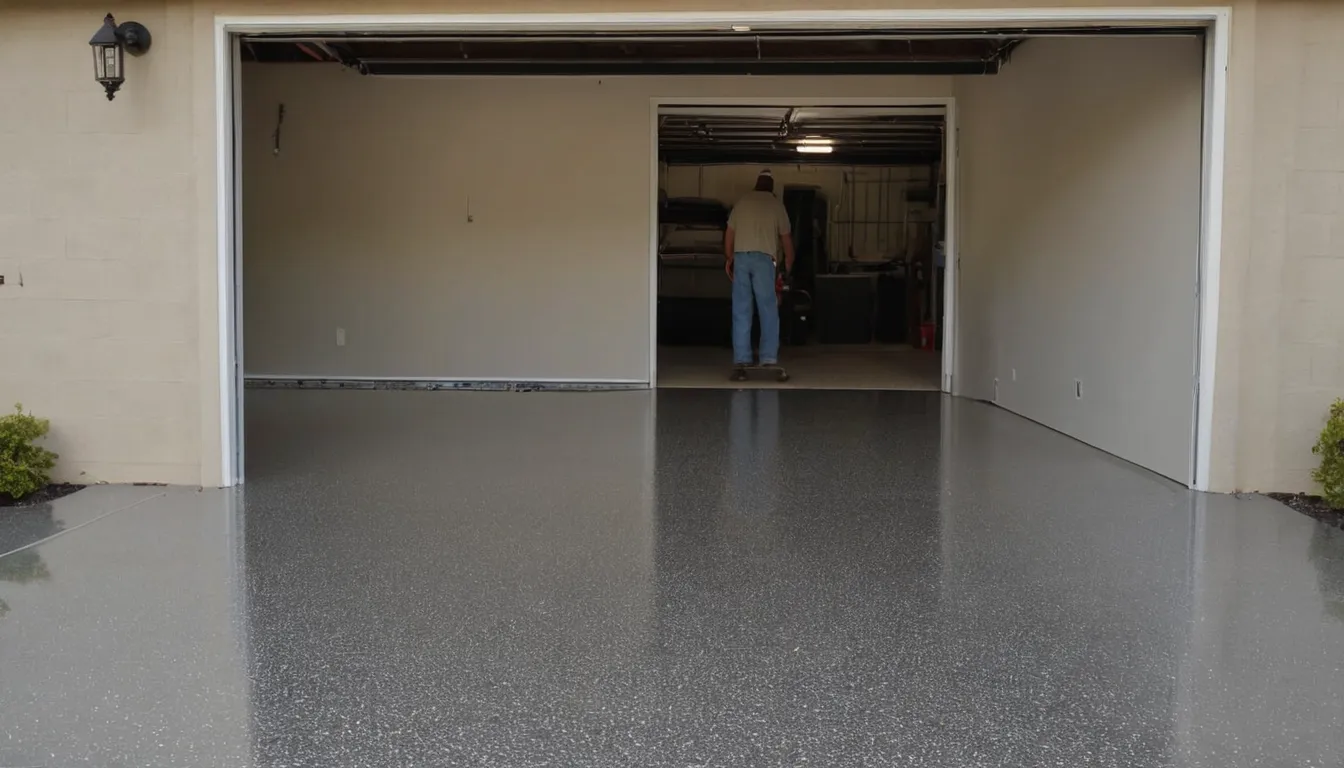
An epoxy garage floor is a two-part resin coating bonded to your concrete slab. It seals the surface, hides stains and makes sweeping and cleanup simple. Done well, it handles tires, oil, road salt and daily traffic.
Blockedtons Floor Coating is a referral service. We connect homeowners in The Village of Indian Hill and the The Village of Indian Hill area with independent local providers who prep, coat and cure garage floors. We do not do the work ourselves. This page covers timing, slab moisture, prep, topcoats and the records that make estimates easy to compare. Read it, gather your photos and notes about your slab, then request an estimate from providers in our network. A written quote from each provider helps you compare the scope clearly.
Garage Floor Failing? Check the Calendar First
Peeling paint, pitted concrete, oil stains and constant dust all point to the same fix. A proper coating. Epoxy is a two-part resin that bonds to concrete and cures hard. Right floor, right season.
The weather sets your schedule. So this page runs in order: timing, prep, install, then paperwork.
Cold Slabs and Deep Frost
Resin needs a steady slab temperature to cure. After a cold winter with deep frost, the slab holds that cold for weeks. Coating a cold slab can leave a weak bond or a cloudy finish. Many providers wait for settled spring or fall weather. Ask each one what temperature range their product needs.
Hot, Humid Summers
Heat speeds curing, which shortens working time. Humid air adds moisture that can cloud the surface. Providers often schedule summer jobs for cooler morning hours. Cure time counts, so do not rush the finish.
Spring Flooding and Slab Moisture
Full basements with sump pumps are common here. Spring water can raise moisture levels under a garage slab. That moisture pushes up through the concrete and lifts the coating from below.
A provider can test the slab before any work starts. If readings run high, they may wait or use a moisture-blocking primer. Never coat over a damp floor.
Storm Season Notes
Severe thunderstorms and hail can push rain under a garage door. Pooled water at the threshold wears down any floor. Fix door seals and drainage before coating. Photograph any standing water so providers see the problem.
Why Prep Matters More Than the Product
Most coating failures start with poor prep, not poor resin. Good prep usually means diamond grinding. A grinder removes the weak top layer and opens the pores of the concrete so resin can grip.
Providers also degrease oil spots, fill cracks and patch chipped edges. Acid etching is a lighter method, and it often gives a weaker bond. Ask which method is in the quote.
Common Epoxy Floor Systems
Systems differ in thickness, look and wear. Here are the usual options:
- Solid color: One or two coats in a single shade. Simple and budget friendly.
- Flake: Colored chips scattered into wet resin. Adds grip and hides small flaws.
- Metallic: Pigments swirl for a marbled look. One of the custom floor finishes people ask about most.
- Quartz: Colored sand broadcast for a tough, textured surface.
The same slab can take any of them. Pick based on traffic and looks.
What a Typical Install Looks Like
A standard job runs in stages. The provider grinds and cleans the slab, then repairs cracks. A primer goes down next. The color coat follows, with flakes if chosen. A clear topcoat finishes the job.
Each layer needs time to set. Total work often spans a few days, and weather can stretch that. Ask for a written schedule.
Topcoats and UV Exposure
Epoxy can yellow when sunlight hits it. An open garage door lets in plenty of UV. A clear topcoat helps resist fading, scratches and chemical spills. Some providers use a different topcoat chemistry for sun-heavy garages. Ask what they use and why.
Getting the Garage Ready
A clear garage speeds the job. Before the provider arrives:
- Move vehicles, bikes and tools out.
- Take down wall items that could collect dust.
- Remove paint, solvents and other stored chemicals.
- Plan where vehicles will park during cure.
- Keep pets and children away from the work area.
Paperwork: Photos Before Estimates
Good records make quotes easier to compare. Take wide shots of the whole floor. Add close-ups of cracks, stains, flaking and the door threshold. Write down the garage size, slab age if known, and any past water problems.
Send the same photos and notes to every provider. Then compare like with like. Save each written quote.
If Storm Water Caused the Damage
Some policies may cover sudden damage, so check your policy. Wear and age are often excluded. Providers can often help document damage for a claim. Keep dated photos, notes and invoices together in one folder.
Caring for Your New Floor
Wait until the provider says the floor is ready for cars. Hot tires in a humid summer can mark a coating that has not fully cured. In winter, rinse off road salt and wipe up puddles. Use a soft mop and mild cleaner. Skip harsh solvents and stiff wire brushes.
Questions to Ask the Installer
- How will you prep the slab, and will you test for moisture?
- Which system and topcoat are in the quote?
- What temperatures does the product need?
- How long until cars can park on it?
- What does the written warranty cover, and for how long?
Some providers in our network also handle other flooring, such as hardwood flooring installation inside the house. Mention it when you request an estimate.
Request a callback to check provider availability for your season.
What's Included
Slab Grinding
Diamond grinding removes weak concrete and opens the surface so the coating can bond.
Crack Repair
Cracks, chips and pitted spots are filled and leveled before any resin goes down.
Color and Flake
Choose a solid color, decorative flakes or metallic custom floor finishes for your garage.
Clear Topcoat
A protective top layer helps resist scratches, spills and sun fading on the floor.
Typical Epoxy Garage Floor Cost Ranges
These are typical U.S. ranges. Real prices vary by slab condition, garage size, system and local labor rates. Moisture problems and heavy repairs raise totals. Always get a written quote that lists every layer and prep step.
| Item | Typical range | Notes |
|---|---|---|
| Solid color epoxy, per sq ft | $3 – $7 | Basic system with prep and one color |
| Flake system, per sq ft | $5 – $10 | Adds grip and hides small flaws |
| Metallic or custom finish, per sq ft | $8 – $16 | More labor and skill required |
| Two-car garage, full job | $2,000 – $5,000 | Roughly 400 sq ft, system dependent |
| Crack and spall repair | $200 – $800 | Depends on the number and size of damaged areas |
| Moisture sealer or primer, per sq ft | $1 – $4 | Needed when slab moisture tests run high |
How It Works
Photograph Your Floor
Take wide and close-up photos of cracks, stains, flaking and the door threshold.
Request an Estimate
Send your photos and garage size through the request form.
Compare Written Quotes
Check prep method, system, topcoat, schedule and warranty in each quote.
Book the Right Window
Choose a provider and a mild-weather window, then clear the garage before the job starts.
Why Call Blockedtons Floor Coating
Season First
Timing advice comes before product talk, because weather decides how well resin cures.
Local Providers
You are matched with independent providers who work in your area.
Clear Records
Photo and note checklists help you collect comparable estimates.
Plain Facts
Short answers, simple terms and no hype about speed or price.
Other Services
Need epoxy garage floors in The Village of Indian Hill?
- Request an estimate in a few minutes
- Independent local providers
- Plans built around the season
- No obligation
Epoxy Garage Floors FAQ
How long does an epoxy garage floor last?
It depends on prep, moisture, product and use. A well-prepped floor with a quality topcoat often lasts many years. Poor prep, damp slabs and sun exposure shorten that. Ask providers for a written warranty.
When is a good time of year to coat a garage floor?
Spring and fall are popular because slab and air temperatures stay mild. Deep winter cold and peak summer heat can both cause cure problems. Ask providers what temperature range their product needs.
Can epoxy go over a cracked or damp garage slab?
Small cracks can be filled and coated. A damp slab is different, because moisture can lift the coating. A provider should test the slab first and may suggest a moisture primer or waiting.
Request a callback
Describe your floor and request an estimate. A local provider in our network can review the details and send a written quote. No obligation.
No obligation